

Harmony in the Fields
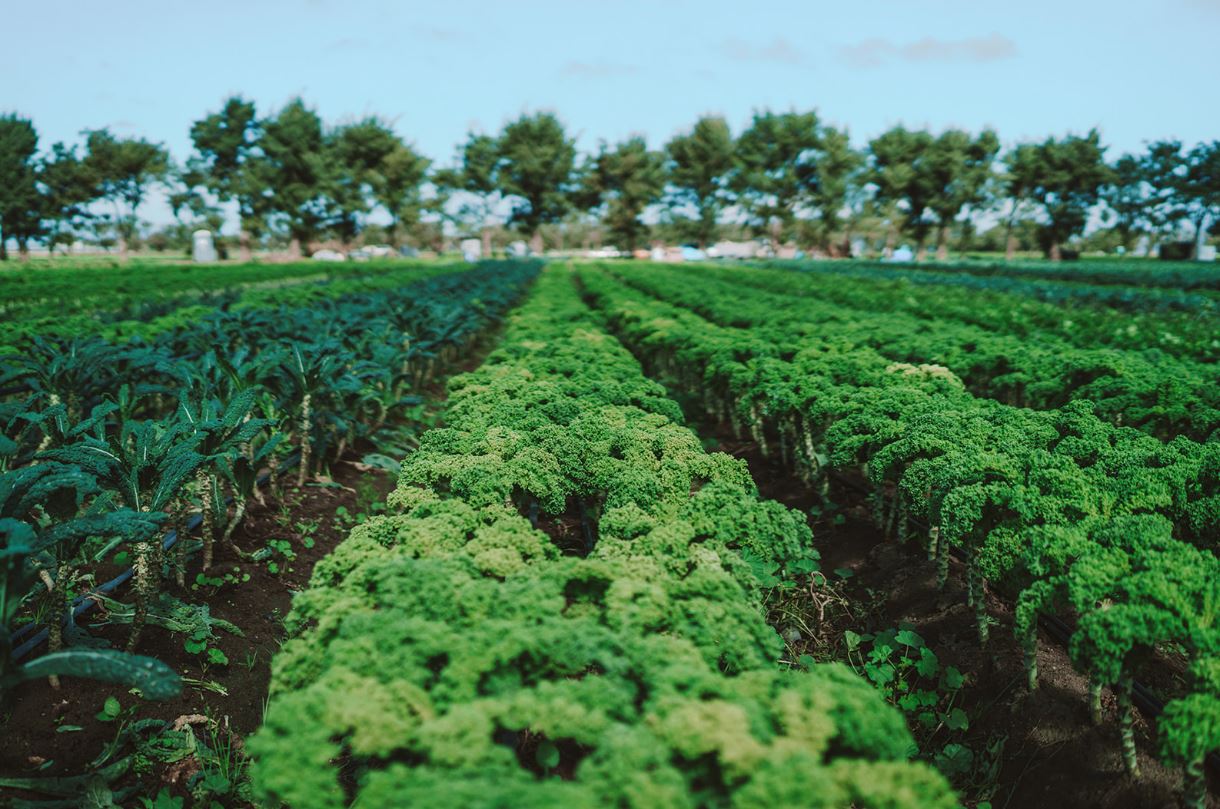
Exploring Agroecology as the Pathway Toward Sustainable and Resilient Farming Systems
The Philosophy and Science of Agroecology
Agroecology represents a holistic approach to agriculture that combines ecological principles, social values, and traditional knowledge to create sustainable and resilient food systems. It is both a scientific discipline and a movement that seeks to harmonize farming with the natural world rather than dominating it. The philosophy of agroecology recognizes that farms are living ecosystems where soil, water, plants, animals, and humans coexist in a delicate balance. By studying these relationships, agroecology provides a framework for developing agricultural practices that nurture biodiversity, preserve natural resources, and promote social equity.
Unlike conventional industrial farming, which often isolates production from ecological processes, agroecology integrates farming into the broader environmental and cultural landscape. It encourages the diversification of crops, the use of renewable inputs, and the conservation of traditional farming knowledge passed down through generations. This combination of scientific understanding and cultural wisdom allows agroecology to address some of the most pressing challenges of modern agriculture, including climate change, soil degradation, and food insecurity. At its core, agroecology is about restoring harmony between human activity and the rhythms of the earth.
The Origins and Evolution of Agroecological Thought
The roots of agroecology trace back to early twentieth-century agricultural science, but its true foundation lies in the practices of Indigenous and peasant communities that have sustained agriculture for millennia. These communities developed farming methods that maintained fertility, conserved water, and supported biodiversity long before the advent of modern technologies. Early researchers observed these systems and began to understand the ecological interactions that made them productive and stable. The term "agroecology" was first coined in the 1930s to describe the study of ecological processes applied to agricultural production, and over time, it evolved into a comprehensive approach that includes environmental, social, and economic dimensions.
During the latter half of the twentieth century, the Green Revolution transformed global agriculture through high-yield crop varieties and chemical inputs. While it increased production, it also led to soil depletion, water pollution, and the erosion of local farming traditions. In response, agroecology emerged as a counterbalance, emphasizing sustainability over short-term gain. Today, it serves as a bridge between traditional knowledge and modern science, encouraging collaboration among farmers, researchers, and communities. The evolution of agroecology reflects a shift in mindset from controlling nature to cooperating with it, ensuring that agriculture remains both productive and regenerative.
Core Principles of Agroecology
Agroecology operates on several fundamental principles that guide the design and management of farming systems. One of the key concepts is diversity. By cultivating a variety of crops and integrating livestock, farmers create ecosystems that are more resilient to pests, diseases, and climatic fluctuations. Diversity also enhances soil health and promotes balanced nutrient cycling. Another principle is synergy, which focuses on the beneficial interactions between components of the farm, such as the relationship between plants and pollinators or between crops and nitrogen-fixing bacteria.
Recycling is another cornerstone of agroecology. Instead of relying on external chemical inputs, agroecological systems reuse organic materials such as compost and crop residues to maintain soil fertility. Efficiency is achieved through careful resource management, ensuring that every input is used effectively with minimal waste. Co-creation and knowledge sharing are also essential. Agroecology thrives on the collaboration between farmers and scientists, blending empirical observation with scientific research. These principles are not rigid formulas but adaptable guidelines that evolve with local conditions and community participation. Together, they form a blueprint for farming systems that are productive, resilient, and respectful of the environment.
The Role of Biodiversity in Agroecological Systems
Biodiversity is the lifeblood of agroecology. It ensures stability, productivity, and resilience within agricultural landscapes. In monocultures, where a single crop dominates vast areas, pest outbreaks and soil exhaustion are common. Agroecology counters this by encouraging polycultures, agroforestry, and crop-livestock integration. These diverse systems mimic natural ecosystems, where different species interact and support each other. For instance, legumes fix nitrogen that benefits neighboring plants, while flowering species attract pollinators that enhance fruit production. Such ecological interdependence strengthens the farm’s ability to adapt to environmental stress.
Biodiversity also extends below the soil surface. A healthy soil teems with bacteria, fungi, and insects that break down organic matter, release nutrients, and improve structure. Practices such as cover cropping and minimal tillage foster these communities, transforming soil into a living organism rather than a passive substrate. Beyond its ecological benefits, biodiversity contributes to dietary diversity and cultural heritage. By preserving traditional crop varieties, agroecology safeguards the genetic resources that humanity depends on for future food security. Every seed and species maintained in an agroecological system represents resilience against the uncertainties of a changing world.
Agroecology and Climate Change Adaptation
Climate change poses a severe threat to global agriculture through rising temperatures, erratic rainfall, and extreme weather events. Agroecology offers adaptive solutions rooted in ecological balance and diversity. By improving soil organic matter, agroecological systems enhance water retention and reduce erosion, helping farms withstand droughts and floods. Trees integrated into agroforestry systems sequester carbon, stabilize microclimates, and provide additional income through fruits and timber. These natural buffers not only protect farms but also contribute to global efforts to mitigate greenhouse gas emissions.
Agroecology also promotes decentralized and locally adapted production systems, reducing dependence on global supply chains that are vulnerable to disruption. Farmers who practice diversified cropping and maintain seed sovereignty can recover more quickly from climate-related shocks. Unlike industrial systems that rely heavily on fossil fuels and external inputs, agroecological methods are built on renewable resources and closed nutrient cycles. This reduces the carbon footprint of food production while fostering resilience from the ground up. In the face of a changing climate, agroecology represents both a shield and a compass, guiding humanity toward sustainable adaptation.
Socioeconomic Dimensions of Agroecology
Agroecology is not only an environmental approach but also a social one. It challenges the industrial model of agriculture that concentrates power and wealth in the hands of a few while marginalizing small-scale farmers. By promoting local food systems, agroecology empowers rural communities and strengthens economic independence. Farmers who adopt agroecological practices often reduce costs by minimizing dependence on external inputs, allowing them to reinvest in their farms and communities. Local markets and cooperatives become central to economic exchange, reinforcing community ties and ensuring fair prices for producers and consumers alike.
Gender equity is another important dimension. In many rural regions, women play vital roles in seed selection, cultivation, and household food security, yet they are often excluded from decision-making. Agroecology recognizes and elevates these contributions, promoting inclusive participation in farming and leadership. Education, capacity building, and land access for women enhance productivity and community well-being. In this sense, agroecology becomes more than a farming system; it becomes a social movement advocating justice, equality, and collective empowerment. By transforming both ecological and social relationships, it paves the way for a more balanced and ethical food system.
Traditional Knowledge and Scientific Innovation
Agroecology thrives at the intersection of traditional wisdom and scientific inquiry. Indigenous and local farming communities have long developed context-specific practices that sustain production while maintaining ecological integrity. Terraced farming in the Andes, rice-fish systems in Asia, and intercropping in Africa are examples of time-tested methods that embody agroecological principles. Modern science, rather than replacing these traditions, can complement and enhance them by providing tools for deeper understanding and wider application. This synergy between knowledge systems enriches innovation and ensures that solutions are culturally relevant and ecologically sound.
Participatory research models embody the essence of agroecological collaboration. Farmers become co-researchers who test and refine practices in real-world conditions. This democratization of knowledge strengthens trust between scientists and communities and accelerates the spread of sustainable practices. Data from agroecological research also informs policy, helping governments design programs that support smallholders and biodiversity conservation. By valuing both ancient wisdom and modern science, agroecology builds bridges across generations and disciplines, uniting them under a shared vision of sustainability.
Policy and Global Perspectives on Agroecology
As awareness of environmental degradation grows, agroecology has gained recognition in global policy frameworks. Organizations such as the United Nations Food and Agriculture Organization advocate for agroecological transitions as key strategies for achieving sustainable development goals. These goals include ending hunger, promoting gender equality, combating climate change, and preserving biodiversity. Countries around the world are beginning to integrate agroecological principles into agricultural policy, providing incentives for organic farming, ecological restoration, and farmer education. However, implementation remains uneven due to political, economic, and institutional barriers.
To scale agroecology effectively, governments must invest in research, infrastructure, and market systems that prioritize ecological and social well-being over short-term profit. Education plays a vital role in this transformation. Agricultural curricula that emphasize ecological literacy and community engagement prepare the next generation of farmers to think systemically. International cooperation is also essential, as agroecological challenges transcend national borders. The global movement for agroecology continues to grow, driven by farmers, activists, and consumers who envision a food system rooted in care, diversity, and resilience.
The Future of Agroecology and the Path Ahead
The future of agroecology depends on the collective will to reshape humanity’s relationship with nature. It offers a vision of farming where productivity and sustainability are not opposing goals but complementary ones. As environmental pressures intensify, agroecology stands out as a framework for hope and regeneration. Its success lies not in technological domination but in cooperation, adaptability, and respect for life. Every agroecological field becomes a living laboratory, demonstrating that prosperity can emerge from balance rather than exploitation.
Moving forward, the integration of digital tools, climate forecasting, and community networks will enhance the reach and impact of agroecology. Smart technologies can support data-driven decision-making while preserving the human and ecological values that define this approach. The transition will require patience, policy support, and cultural change, but the rewards are immense. Agroecology offers more than a method of production; it offers a philosophy of coexistence that reconnects humanity with the living systems that sustain it. Through agroecology, the fields of tomorrow can become landscapes of renewal, nourishment, and enduring harmony with the earth.