

Harvest to Hearth
The Farm-to-Table Movement is Redefining Food Culture, Sustainability, and the Connection Between Farmers and Consumers
The Roots of the Farm-to-Table Philosophy
The farm-to-table movement began as a quiet rebellion against industrialized food systems. It was born out of a desire to reconnect people with the source of their nourishment and restore respect for the land that feeds them. For decades, food production became increasingly centralized, processed, and distant from everyday life. Supermarkets replaced local markets, and imported goods displaced seasonal produce. This separation not only diluted flavor and nutrition but also weakened the bond between consumers and farmers. The farm-to-table philosophy seeks to reverse this trend by shortening the food chain and strengthening relationships between producers, chefs, and communities.
At its core, the movement is not just about eating locally sourced meals but about rethinking the entire lifecycle of food. It encourages transparency, sustainability, and fairness at every step. When consumers buy directly from farmers or dine at restaurants that prioritize local ingredients, they become part of an ecosystem that values authenticity and integrity. The philosophy extends beyond the plate. It is a statement about how communities can thrive through cooperation, environmental stewardship, and shared appreciation for good food. What began as a niche trend has grown into a global movement reshaping how people perceive agriculture and gastronomy.
Historical Background and Cultural Influence
The idea of eating close to the source is as old as agriculture itself. Before industrialization, communities naturally relied on what they could grow or trade within their region. Every meal reflected the rhythms of the seasons, the fertility of the soil, and the skill of the farmer. However, as transportation networks expanded and food preservation technologies advanced, the global food system became more complex and less localized. The convenience of year-round produce came at the cost of environmental impact and loss of traditional practices.
The modern farm-to-table revival began in the late twentieth century, particularly in the United States and parts of Europe. Visionary chefs, small-scale farmers, and conscious consumers started collaborating to bring fresh, seasonal ingredients back into focus. Influential restaurants, often located near agricultural regions, championed the use of local produce and sustainable methods. Farmers’ markets, community-supported agriculture programs, and food cooperatives flourished as people sought more authentic and ethical ways to eat. Over time, this cultural shift spread globally, inspiring a new awareness of food origins and agricultural diversity. The movement continues to evolve, blending ancient traditions with modern innovation.
The Role of Farmers in the Farm-to-Table Movement
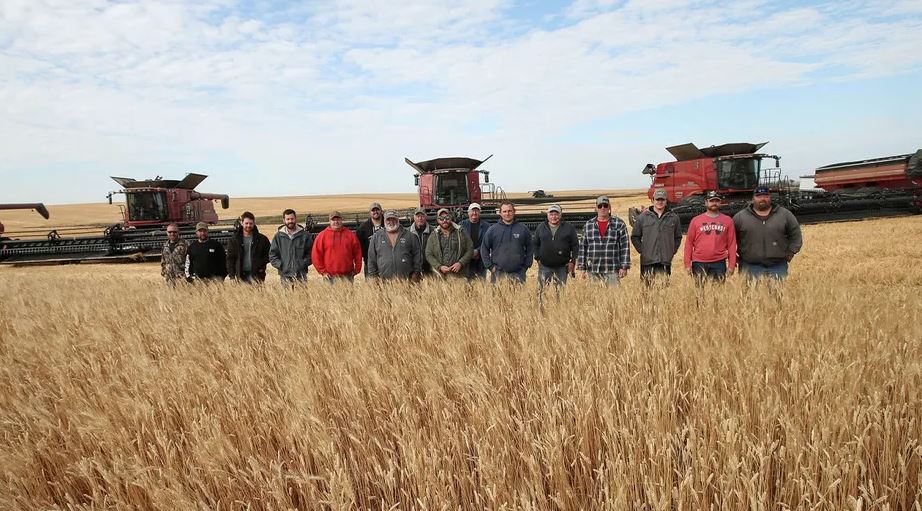
Farmers are the cornerstone of the farm-to-table ecosystem. Their work embodies the dedication and skill that make local food systems possible. Unlike industrial agriculture, which focuses on mass production, small and medium-sized farms participating in this movement prioritize quality, biodiversity, and ecological balance. They cultivate crops that are adapted to local climates and soils, often using organic or regenerative methods that restore fertility rather than deplete it. Many also raise livestock on pasture, allowing animals to live naturally while contributing to nutrient cycles within the farm.
In a farm-to-table context, farmers are more than suppliers. They are partners in storytelling and education. By interacting directly with chefs, retailers, and consumers, they help communicate the value of sustainable farming and the realities of food production. Farm visits, workshops, and open markets allow people to witness how food is grown and harvested. This transparency fosters appreciation and trust. Moreover, supporting local farmers strengthens rural economies and preserves agricultural heritage. Every purchase from a local producer becomes an investment in community resilience and ecological sustainability.
Chefs as Catalysts of Change
Chefs have played a crucial role in popularizing the farm-to-table philosophy. Through their creativity and influence, they have transformed the act of sourcing locally into a culinary art form. By designing menus that reflect regional ingredients and seasonal availability, they highlight the richness of local ecosystems and the skill of local farmers. This approach not only enhances flavor but also educates diners about the value of fresh and responsibly sourced ingredients. Chefs who embrace this philosophy often develop personal relationships with farmers, visiting fields and adapting their dishes to what the land provides.
Restaurants that follow the farm-to-table model become platforms for awareness and change. They demonstrate that sustainable dining is not a limitation but a source of inspiration. Many establishments integrate composting, energy-efficient operations, and waste reduction practices, creating circular systems where nothing is wasted. The success of such restaurants has encouraged other sectors of the food industry to reconsider their sourcing practices. As chefs continue to advocate for local produce and ethical supply chains, they bridge the gap between rural producers and urban consumers, proving that sustainability and culinary excellence can coexist beautifully.
Economic and Environmental Impact
The economic benefits of the farm-to-table movement extend far beyond individual transactions. Local sourcing keeps money circulating within regional economies, creating jobs and supporting small enterprises. Instead of funneling profits to distant corporations, revenue stays within communities, strengthening both rural and urban livelihoods. Farmers gain fairer compensation, while consumers enjoy fresher, higher-quality products. This economic model fosters independence and innovation, allowing local producers to experiment with unique crops, heritage breeds, and artisanal products.
Environmentally, the benefits are equally profound. By reducing transportation distances, the movement cuts down on carbon emissions associated with long supply chains. Local production also encourages seasonal eating, which aligns with natural cycles and minimizes the need for artificial inputs such as heated greenhouses or excessive storage. Farms involved in this model often adopt practices that enhance soil health, conserve water, and protect pollinators. The result is a food system that nourishes people while regenerating the planet. Through conscious consumption, communities become active participants in environmental stewardship rather than passive beneficiaries of convenience.
Challenges and Criticisms of the Movement
Despite its many strengths, the farm-to-table movement faces several challenges. One major issue is accessibility. Locally produced, sustainably grown food often costs more due to the labor-intensive nature of small-scale farming and the lack of economies of scale. This creates barriers for low-income consumers who may not be able to afford premium prices. Additionally, not all regions have the climate or infrastructure to support year-round local production. Seasonal limitations can restrict diversity and availability, particularly in colder climates where growing seasons are short.
Another concern is authenticity. As the movement gained popularity, some businesses adopted the farm-to-table label without fully committing to its principles. This practice, known as “greenwashing,” can mislead consumers and undermine the credibility of genuine producers. Ensuring transparency through certifications, traceability systems, and honest communication is essential to maintaining trust. Furthermore, scaling up local food systems to meet urban demand without compromising sustainability remains a complex challenge. True progress requires systemic change, not just consumer trends. Collaboration among policymakers, farmers, and industry leaders is vital to ensure that the movement fulfills its potential.
Urban Agriculture and the Expansion of Local Food Networks
Urban agriculture has become a vital extension of the farm-to-table concept. As cities expand, the need for locally grown food within urban environments has led to creative solutions such as rooftop gardens, vertical farms, and community plots. These initiatives not only provide fresh produce but also reconnect urban dwellers with the rhythms of cultivation. By transforming unused spaces into productive gardens, cities become part of the agricultural landscape. Urban farms also reduce food transportation distances, cutting emissions and improving food security for urban populations.
Technology has amplified this transformation. Smart irrigation systems, hydroponics, and artificial lighting make it possible to grow food efficiently in compact spaces. Educational programs associated with urban farming teach residents about sustainability, nutrition, and waste reduction. Local restaurants and markets benefit from having fresh produce nearby, while communities gain green spaces that improve air quality and social well-being. The integration of urban agriculture into the farm-to-table movement demonstrates how food systems can adapt to modern realities while preserving their ethical foundations.
Community and Cultural Significance
Food has always been more than sustenance. It is a reflection of culture, identity, and connection. The farm-to-table movement revives these cultural dimensions by celebrating local traditions and seasonal rhythms. Communities that embrace it rediscover regional recipes, forgotten crops, and ancestral farming methods. Festivals, farmers’ markets, and community dinners become spaces for education and celebration, bringing people together around shared values. Through these interactions, food once again becomes a medium for storytelling and unity.
The movement also fosters intergenerational dialogue. Older farmers and cooks pass on knowledge to younger generations, ensuring that traditional wisdom remains relevant in modern contexts. Schools that participate in farm-to-school programs teach children where their food comes from, cultivating respect for nature and agriculture. This cultural renewal strengthens communities both socially and spiritually. In a world often disconnected by technology and globalization, the simple act of sharing a locally sourced meal becomes an act of belonging and gratitude.
The Future of the Farm-to-Table Movement
The future of the farm-to-table movement depends on balance. It must continue to grow without losing its integrity or accessibility. Expanding partnerships between farmers, educators, policymakers, and entrepreneurs will be key to creating more inclusive and efficient systems. Advances in logistics, renewable energy, and digital communication can help local food networks operate more effectively while maintaining transparency and trust. Policy support through subsidies and land access programs will also determine how far the movement can reach.
Ultimately, the movement’s lasting impact will come from its ability to change how people think about food. When consumers view each meal as a connection to the earth and the hands that nurtured it, they become part of a global shift toward sustainability and empathy. The farm-to-table philosophy offers a vision of abundance rooted in care, not consumption. It reminds humanity that every harvest begins with a seed, and every meal tells the story of a relationship between people, place, and planet. As this awareness deepens, the path from farm to table will not only nourish bodies but also restore balance to the world itself.