

Harvesting Stability
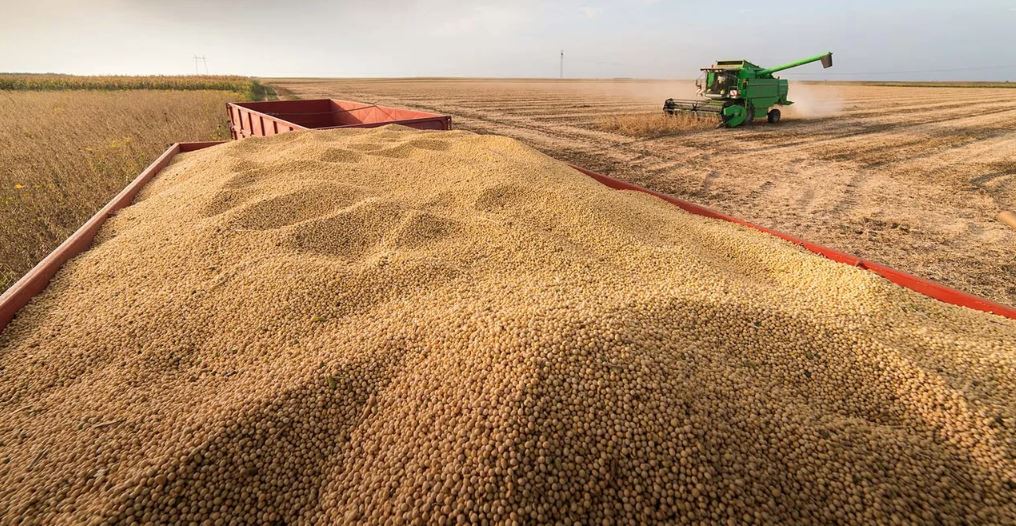
Food Security Shapes the Future of Humanity, Agriculture, and Global Sustainability
The Meaning and Scope of Food Security
Food security is one of the most fundamental aspects of human civilization, encompassing not only the ability to produce enough food but also the capacity to distribute, access, and consume it equitably. It represents a condition in which every individual has consistent physical, social, and economic access to safe and nutritious food that meets dietary needs for an active and healthy life. In a world where agricultural technology has advanced to extraordinary levels, the persistence of hunger and malnutrition reveals how fragile this balance can be. Food security extends beyond the fields of agriculture and enters the realms of policy, economics, environment, and ethics. It is as much a moral responsibility as it is a logistical challenge.
The World Food Summit identified four key dimensions of food security: availability, access, utilization, and stability. Each of these pillars plays a distinct role in sustaining communities. Availability refers to the supply side, dependent on agricultural production and trade systems. Access focuses on economic and physical means to obtain food, while utilization concerns the body's ability to absorb nutrients. Stability ties all the other elements together, ensuring that these conditions persist over time without disruptions caused by conflict, disasters, or market fluctuations. When one of these pillars weakens, the entire structure of food security begins to falter, affecting not only individuals but entire nations.
Historical Foundations of Food Systems
Throughout history, food security has shaped the rise and fall of civilizations. Ancient societies like Mesopotamia and Egypt flourished because of their mastery of irrigation and crop management along river valleys. The domestication of plants and animals marked the beginning of organized agriculture, transforming nomadic groups into settled communities. With these advancements came the ability to store surplus food, support population growth, and develop trade networks. However, history also shows that when food systems collapsed, so too did empires. Droughts, soil exhaustion, and poor resource management were among the recurring factors leading to famine and social unrest.
In modern times, food production has benefited from the Green Revolution, which introduced high-yield crops, synthetic fertilizers, and mechanized farming. These innovations dramatically reduced hunger in many regions but also created new challenges. Overreliance on chemical inputs degraded soils and water sources, while monoculture practices reduced biodiversity. The lesson from history and contemporary developments is clear: true food security cannot rely on production alone. It requires sustainable management of natural resources, equitable distribution, and resilience against external shocks such as climate change or political instability.
Climate Change and Its Impact on Food Stability
Climate change is among the most pressing threats to global food security. Rising temperatures, shifting rainfall patterns, and increased frequency of extreme weather events have disrupted traditional farming cycles. Droughts reduce crop yields, floods destroy farmland, and unpredictable seasons make planting and harvesting less reliable. In some regions, formerly fertile lands are becoming arid, while others face soil erosion and salinization due to sea level rise. Smallholder farmers, who produce a large share of the world’s food, are particularly vulnerable to these shifts since they often lack the financial and technological resources to adapt quickly.
Scientists and agricultural engineers are responding with climate-smart practices that build resilience. These include developing drought-resistant crop varieties, adopting efficient irrigation systems, and diversifying crops to reduce dependency on single species. Precision agriculture, powered by data and automation, allows farmers to optimize resource use and minimize waste. Yet, technological solutions must be accompanied by social and policy interventions. Governments and organizations need to establish frameworks that support farmers through subsidies, insurance programs, and education. Climate adaptation in agriculture is not only about protecting yields but also about preserving the livelihoods and food sovereignty of millions of people.
Economic Access and the Challenge of Inequality
While global food production is sufficient to feed everyone on the planet, millions still experience chronic hunger due to inequality and poor distribution. Economic access is often determined by income, market systems, and trade policies. In many low-income countries, rural populations face limited market connectivity, forcing them to depend on subsistence farming. Urbanization has also shifted food consumption patterns, increasing dependence on imported and processed foods that are often unaffordable for vulnerable groups. This dynamic deepens the divide between those who can access nutritious food and those who cannot.
Global trade and agricultural subsidies further complicate the issue. Wealthier nations often provide financial support to their farmers, enabling them to produce food at lower costs. This practice can distort international markets, making it difficult for producers in developing countries to compete. Food price volatility, influenced by geopolitical tensions, energy costs, and speculation, can rapidly push millions into insecurity. Addressing these imbalances requires international cooperation and transparent trade policies that prioritize human well-being over profit margins. Strengthening local food systems and reducing dependency on imports are essential strategies for ensuring that food remains accessible and affordable to all.
The Role of Technology and Innovation in Food Systems
Technological innovation is redefining what food security means in the twenty-first century. Advances in biotechnology, robotics, and digital agriculture are reshaping how food is produced, processed, and distributed. Genetically improved crops resist pests and diseases, reducing the need for chemical inputs. Drones and sensors collect data on soil health, moisture levels, and plant growth, allowing farmers to make precise decisions that improve efficiency. Artificial intelligence systems analyze weather data and predict yield outcomes, helping to anticipate shortages before they occur. These tools are creating a new agricultural ecosystem that is data-driven, adaptive, and resilient.
Beyond production, technology plays an important role in logistics and storage. Cold chain management ensures that perishable goods remain fresh from farm to market. Blockchain technology is enhancing traceability, allowing consumers to know where their food comes from and ensuring transparency in the supply chain. Innovations in packaging and preservation extend shelf life while reducing food waste. Digital platforms connect farmers directly with consumers, bypassing intermediaries and improving income distribution. However, for technology to truly strengthen food security, access must be equitable. Bridging the digital divide is as crucial as closing the yield gap.
Food Waste and the Paradox of Abundance
One of the most striking contradictions in the global food system is that while millions suffer from hunger, an enormous amount of food is wasted every year. The Food and Agriculture Organization estimates that nearly one third of all food produced for human consumption is lost or wasted. In developed nations, this happens primarily at the retail and consumer levels, where food is discarded due to aesthetic standards or over-purchasing. In developing countries, losses occur earlier in the supply chain due to inadequate storage, poor infrastructure, and lack of processing facilities.
Reducing food waste is one of the most effective ways to enhance global food security without increasing production. Improved harvesting techniques, better post-harvest handling, and investment in transportation infrastructure can significantly reduce losses. Consumer awareness campaigns encourage responsible buying and better use of leftovers. Food recovery programs redirect surplus food to those in need, transforming waste into nourishment. Minimizing food waste not only conserves resources but also lowers greenhouse gas emissions, contributing to environmental sustainability. Every meal saved strengthens the resilience of the entire food system.
Nutrition and the Quality Dimension of Food Security
Food security is not just about quantity but also about quality. Adequate nutrition involves a balance of macronutrients and micronutrients essential for health. Malnutrition, in its various forms, affects billions of people worldwide. It manifests not only as hunger but also as obesity, anemia, and vitamin deficiencies. Poor diets contribute to chronic diseases such as diabetes and cardiovascular conditions. In many countries, the transition from traditional diets to processed, calorie-dense foods has created a paradox of simultaneous undernutrition and overnutrition within the same population.
Promoting nutritional security requires policies that support diversified food systems and encourage the production and consumption of fresh, local produce. School feeding programs, community gardens, and public health education can significantly improve dietary habits. Fortifying staple foods with vitamins and minerals helps address specific deficiencies. The integration of nutrition into agricultural and social policies ensures that food security is not measured only by calories but by the capacity to sustain healthy lives. True security means providing nourishment that strengthens both body and mind.
Global Cooperation and Policy Frameworks
Food security is a global issue that transcends borders. No single nation can achieve lasting stability without international collaboration. Organizations such as the United Nations, the World Food Programme, and the Food and Agriculture Organization play key roles in coordinating relief efforts, setting standards, and supporting development initiatives. The Sustainable Development Goals, particularly Goal 2, aim to end hunger, achieve food security, and promote sustainable agriculture by 2030. However, progress requires more than declarations. It depends on the alignment of national policies, investments in research, and commitments to equity and justice.
Governments must work together to manage shared resources such as water, fisheries, and genetic diversity. Trade agreements should prioritize food sovereignty and protect vulnerable populations. Humanitarian aid should evolve into long-term capacity building rather than short-term relief. Partnerships between public and private sectors can accelerate innovation, while community-based organizations ensure that solutions are culturally appropriate and inclusive. Global cooperation is not a choice but a necessity for a future where every person can eat with dignity and security.
The Path Toward a Nourished Future
Food security lies at the intersection of science, policy, and humanity. It reflects how societies value life, equality, and the environment. The path forward involves building resilient systems that can adapt to climate change, withstand market shocks, and uphold the right to food as a universal principle. Agricultural innovation, sustainable practices, and inclusive policies form the foundation of this transformation. Yet, technology alone will not solve hunger. The human element remains central, from the smallholder farmer planting seeds to the policymakers designing frameworks for equity.
In the end, achieving food security is about balance: between nature and technology, production and preservation, abundance and access. The challenge is complex, but the reward is profound. A secure and nourished world is one where progress does not come at the expense of future generations. As agriculture continues to evolve, the seeds of hope are already being sown across fields, communities, and continents. With collective effort and shared purpose, humanity can harvest a future where no one goes hungry and where the bounty of the earth is protected for all.